
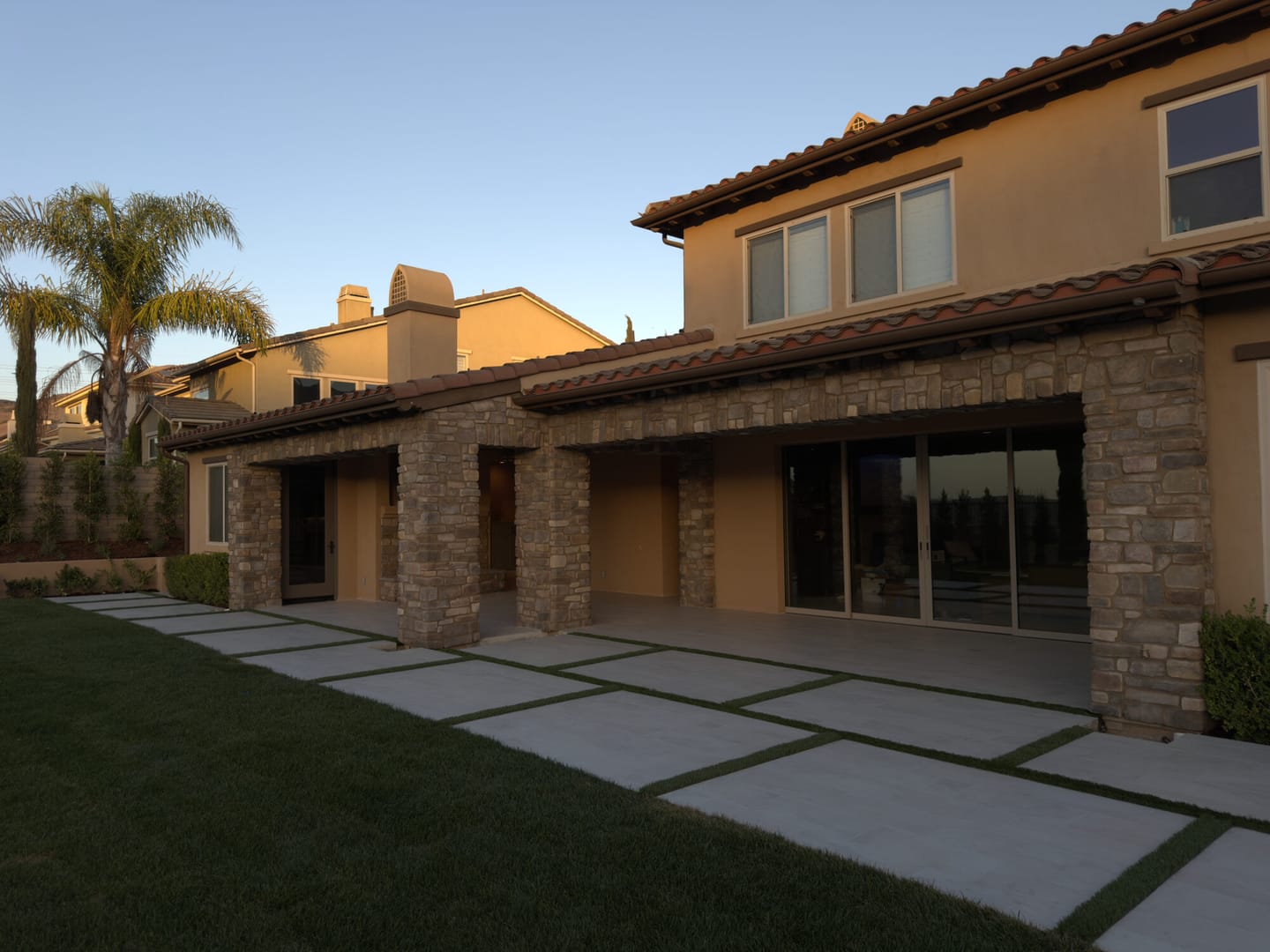
Concrete driveways, patios and large format pads
Driveways, patios, walkways and footings, formed, reinforced, poured and finished.
Concrete, in detail.
Concrete is still the right answer for plenty of yards, and it is almost always the thing we are taking out before we build something else. We form, reinforce, pour and finish driveways, patios, walkways, landings, equipment pads and the footings that walls and outdoor kitchens sit on. Forms are set to a grade that moves water away from the house, steel goes in before the truck arrives, and control joints are cut where the slab wants to crack rather than wherever the tape measure lands. You can have a broom finish, a smooth trowel, a salt finish or exposed aggregate, and we pour integral color when you want the slab to sit quietly next to stone instead of shouting at it. The look a lot of Orange County yards are asking for right now is large format pads with turf or gravel ribbons between them, and that is concrete too: the pads are poured, the joints are the design. Taking out an old cracked slab, hauling it off and replacing it is part of the same job.
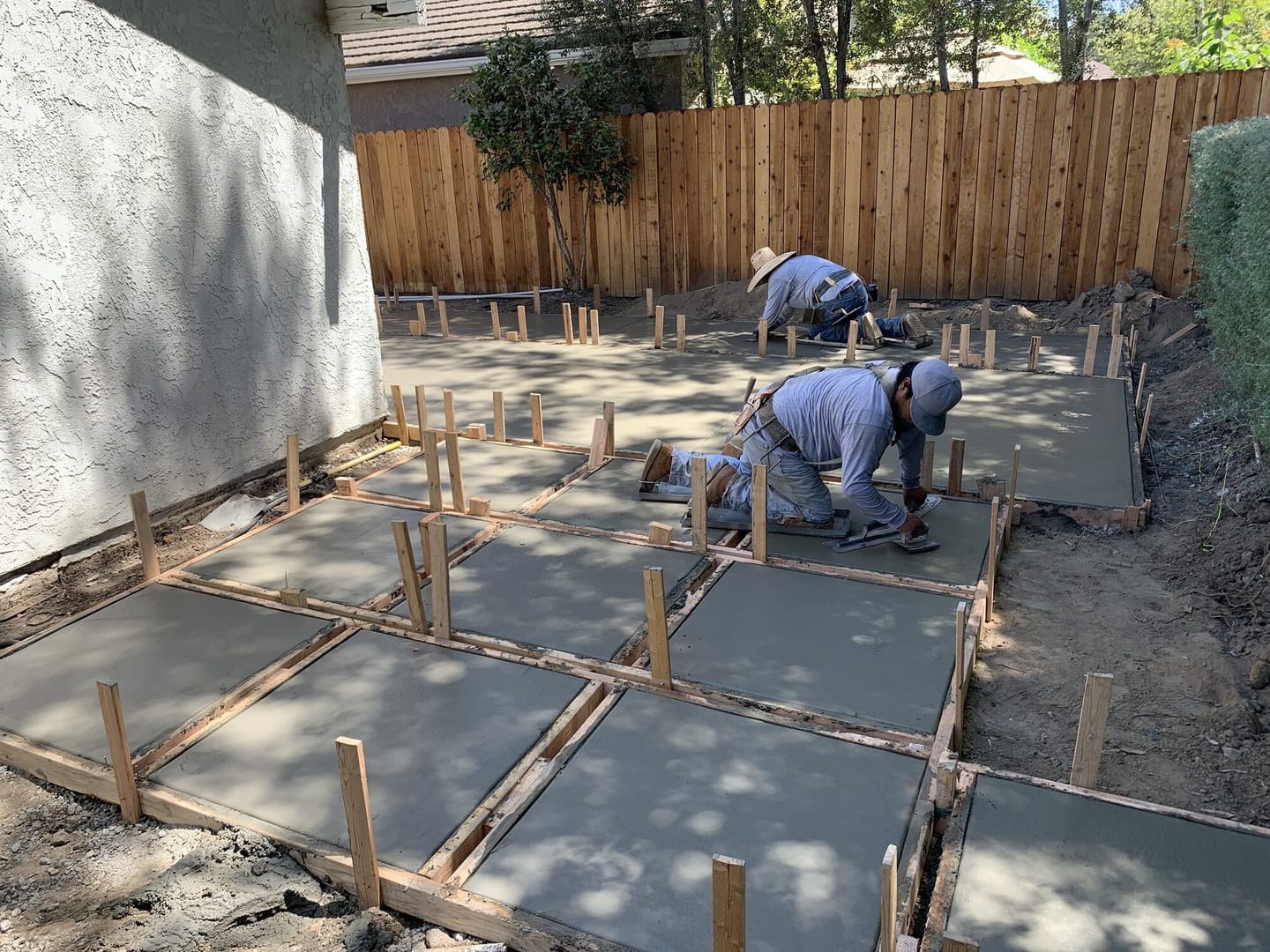
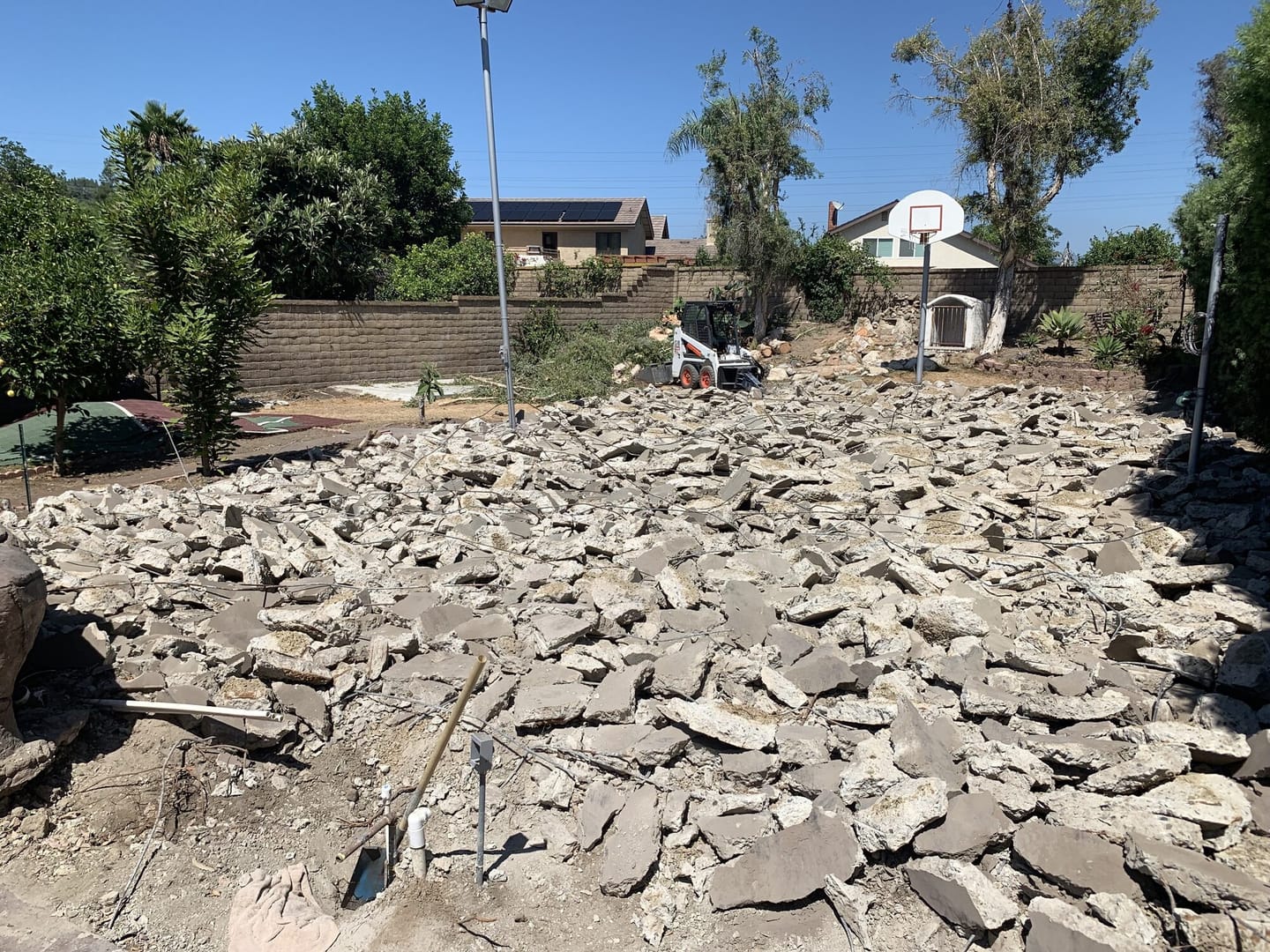
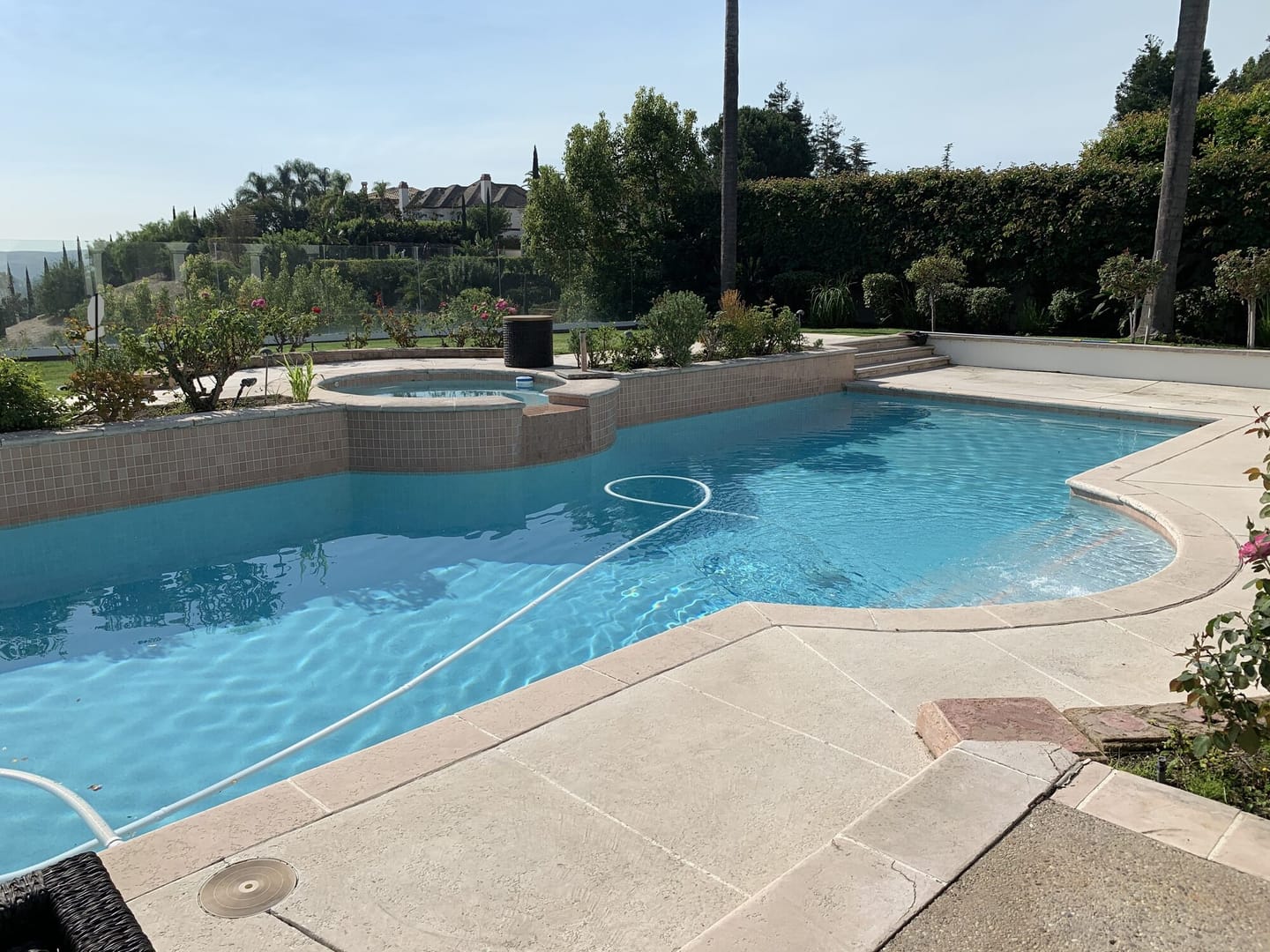
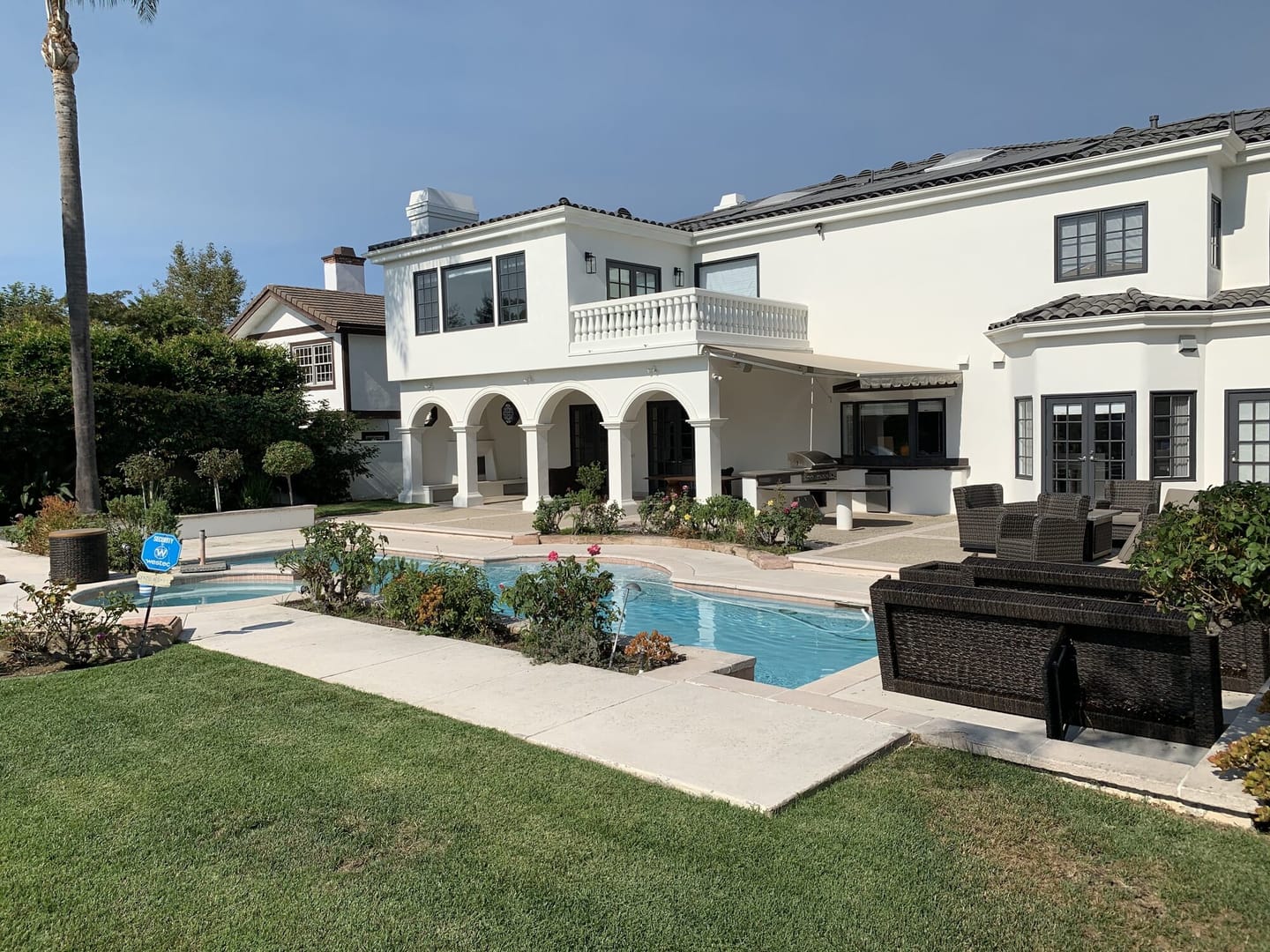
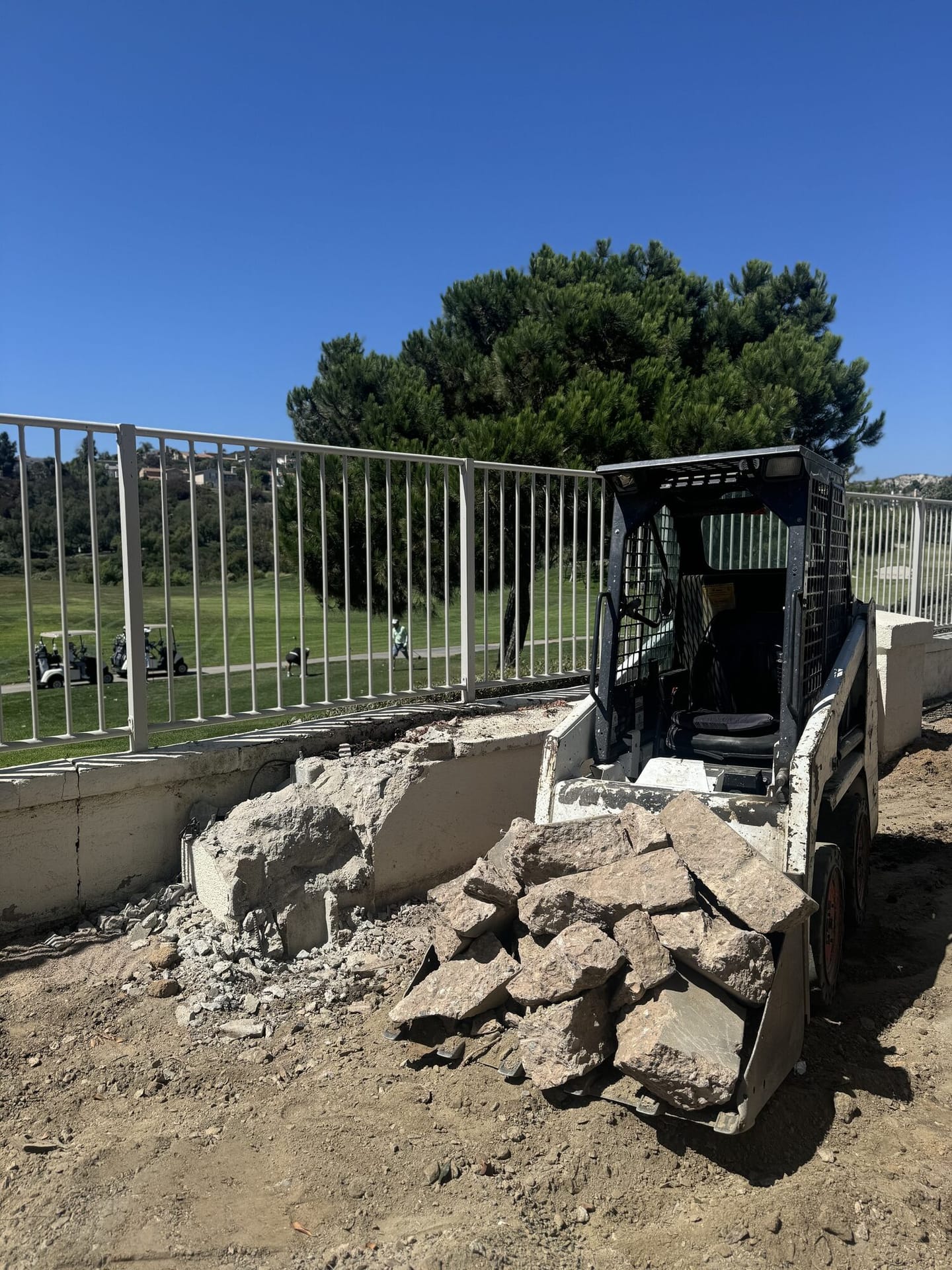
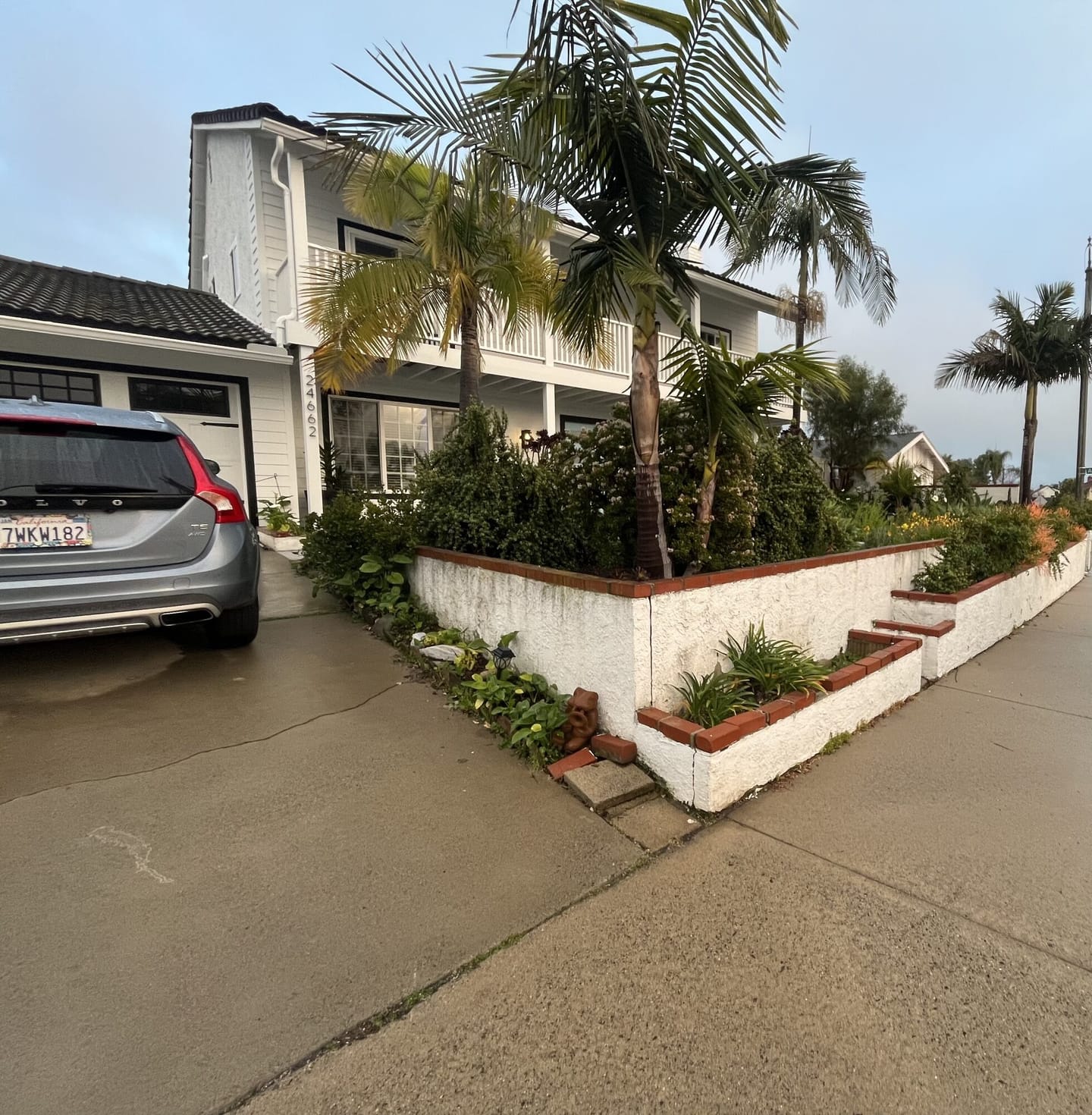
Watch it go in.
What happens between the old surface coming out and the finished job, with the layers you never get to see.
- 01 Break the old slab out
- 02 Compacted base, in lifts
- 03 Bedding layer screeded
- 04 Pavers set, cut and swept
What is in it.
Everything below is part of the concrete work, not an extra line on the invoice.
- Driveways, patios, walkways, landings and equipment pads
- Form work, steel reinforcement and grading that moves water away from the house
- Broom, smooth trowel, salt and exposed aggregate finishes, with integral color
- Large format pads with turf or gravel joints
- Demolition, haul off and replacement of old cracked slabs
How it runs.
- Grade and layoutWe set the shape on the ground and check the fall so the finished slab drains away from the structure.
- Form and reinforceForms staked to grade, base compacted, steel tied and chaired up off the ground before anything is poured.
- Pour and finishPlaced, screeded and finished the same day, with control joints cut where the slab needs them.
- Cure and stripWe tell you how long to stay off it, then come back to strip the forms and clean the edges up.
Questions about concrete.
Why does concrete crack?
Concrete shrinks as it cures and the ground under it moves. Control joints give it a planned place to do that. A slab with a compacted base, steel in it and joints in the right places cracks where you put the joints.
Can you pour over my old driveway?
We would rather not. An overlay inherits every crack and every soft spot underneath it. In nearly every case the honest job is to break the old slab out, fix what is under it and pour new.
Concrete or pavers?
Concrete gives you a clean uninterrupted plane and usually costs less to install. Pavers handle ground movement better and can be lifted and reset. We will tell you which one fits your yard when we walk it.
Thinking about concrete?
Tell us roughly what is there now and what you want instead. We come out, measure it and put a written quote together.
- Call or text(949) 257-7783
- Emailbtlandscape22@gmail.com
- Where we workServing Orange County, from San Clemente to Newport Beach
Got it.
Thanks for sending that over. We will call you back about the walkthrough. If you would rather talk now, we are on (949) 257-7783.